Valuable Insights from the Transcript on Finding Profitable Software Ideas
View image: Finding Profitable Software Ideas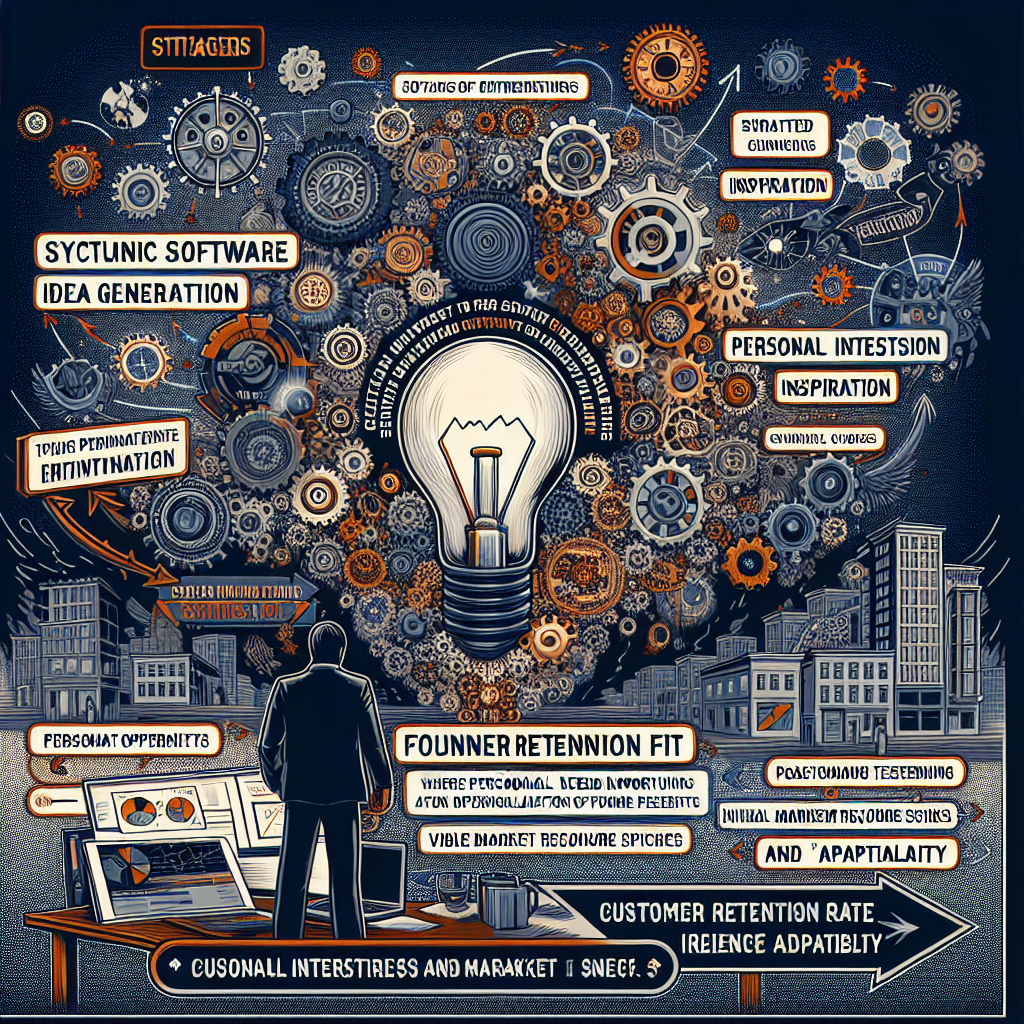
In the fast-paced world of entrepreneurship, finding profitable software ideas can often feel overwhelming. Based on insights from the YouTube video "How I Find PROFITABLE Software Ideas (with AI / no experience)" by Olly Rosewell, here are some key takeaways that can help steer aspiring founders in the right direction.
Key Points:
- Idea Scarcity vs. Quality: Many entrepreneurs encounter a flood of ideas, but the challenge lies in filtering out unprofitable or misaligned ones. The myth of the "eureka moment" can mislead founders, while a systematic approach can yield consistent, valuable ideas.
- Founder Idea Fit: Success originates from internal alignment. Founders should assess their interests, skills, market needs, and monetizable solutions. This alignment fuels motivation through challenges.
- Framework for Idea Generation:
- What they love: Problems they’re passionate about solving.
- What they’re good at: Leveraging their skills in relation to market needs.
- What the world needs: Identifying market gaps.
- What they can get paid for: Ensuring solvable problems can generate revenue.
- Domain Expertise: Founders with domain knowledge can quickly assess an idea's value, shortening product development cycles by acting as the first user.
- Strategies for Finding Ideas:
- Mining Indie Communities: Platforms like Indie Hackers and relevant subreddits showcase micro-startups sharing financial metrics, providing a goldmine of validated business ideas.
- Deconstructing VC Investments: Analyze public portfolios of venture capital firms to identify simpler, replicable software solutions.
- Acquisition Marketplaces: Sites like Acquire.com or Flippa serve as databases for proven ideas, validating their market potential.
Insights:
- Authenticity Over Hype: An initial revenue surge doesn’t guarantee sustainability; low churn rates are better indicators of a product’s value.
- Transparency in Success: Learning from founders who share their progress and financials can highlight viable business models worth pursuing.
Actionable Advice:
- Self-Audit: Identify personal strengths and align them with market needs.
- Use AI Tools: Generate ideas based on personal skills and experiences.
- Engage with Online Communities: Analyze platforms to discover actionable, profitable software concepts.
- Evaluate Ideas: Prioritize evidence of customer retention and sustainability over initial revenue figures.
Supporting Details:
- Striking a balance between passion and market viability fosters resilience.
- The analysis of existing software companies and their metrics can provide a benchmark for potential ventures.
- Real-world examples, like successful founders’ pivots based on user demand, illustrate the importance of adaptability in entrepreneurship.
Personal Reflections:
The methodology outlined resonates with the challenges many face in entrepreneurship, emphasizing the importance of systematic approaches over sporadic inspiration. The concept of founder idea fit is a compelling reminder to align personal interests with business opportunities, ensuring a deeper connection to the challenges being solved.
Conclusion:
This structured approach empowers aspiring founders to harness their unique strengths while leveraging proven strategies for success in the software domain. For a more in-depth understanding, check out Olly Rosewell's complete video on this topic:
Watch source videoFollow us to join the learning journey: